


Mental Health Topics
We have put together a series of helpful advice that we hope helps you to capture some information and skills to help you learn more about mental health and how to achieve a better life balance.

Sleep Tip: Don’t Rely on Sleep Aids or Melatonin Routinely
While it may be tempting to reach for sleep aids or melatonin supplements when sleep is elusive, these are best used sparingly. Over-the-counter and prescription sleep medications can alter your sleep architecture and come with risks, especially when used long-term....

Sleep Tip: Avoid Long or Late Naps
Naps can be helpful when timed well, but poor nap habits can derail your nighttime sleep. If you sleep too long during the day or nap late in the afternoon, it can reduce the body's natural drive for sleep, called sleep pressure, making it harder to fall asleep at...

Get Out of Bed if You Can’t Sleep
Lying awake in bed, tossing and turning, only reinforces anxiety and frustration around sleep. If you find yourself still awake after 20 to 30 minutes, the best course of action is to get out of bed. Go to another room and engage in a calming activity like reading,...

Exercise and Sleep: When to Move for Better Rest
Exercise is one of the most effective ways to improve sleep quality. People who move their bodies regularly fall asleep faster, spend more time in deep sleep, and feel more rested the next day. In his work, Counselor Jose has found that when clients report that they...
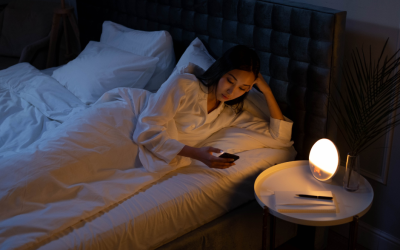
Can’t Sleep? Why Getting Out of Bed Might Help
Lying awake in bed and waiting for sleep to come can actually make the problem worse. When you stay in bed for 20 to 30 minutes without falling asleep, your brain starts to associate the bed with frustration, restlessness, and anxiety rather than rest and relaxation....
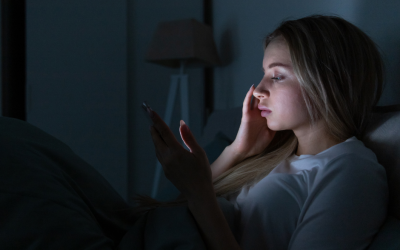
Why Reducing Evening Screen Time Improves Sleep
One of the most significant threats to modern sleep is our attachment to screens. Phones, tablets, televisions, and computers emit blue light, which suppresses melatonin and delays the body’s natural preparation for sleep. Studies show that even 30 minutes of screen...
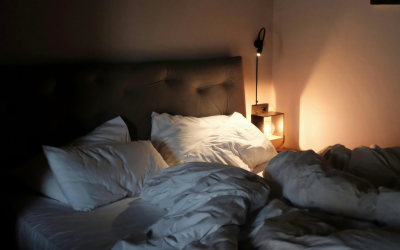
How to Build a Sleep-Friendly Bedroom Environment
The bedroom environment plays a vital role in sleep quality. Temperature, lighting, and noise level all directly influence your ability to fall and stay asleep. The ideal room temperature for sleep is about 65 degrees Fahrenheit or 18 degrees Celsius. A cooler room...

Why a Consistent Sleep Schedule Is Important
It’s easy to overlook your sleep schedule, especially when life gets hectic. But going to bed and waking up around the same time each day (even on weekends) can make a bigger difference than most people realize. Your body runs on an internal clock, and when that...