


For those seeking better sleep quality, the right late-night snack can make a noticeable difference. Certain foods naturally contain melatonin, tryptophan, magnesium, and serotonin, nutrients that support healthy sleep cycles and relaxation, making them excellent bedtime choices.
Tart cherries or tart cherry juice are packed with melatonin, which helps regulate your sleep-wake cycle. Kiwi is another strong choice, offering both melatonin and serotonin. Research shows that eating kiwi before bed can help you fall asleep faster and stay asleep longer.
A banana paired with a spoonful of nut butter provides tryptophan, magnesium, and healthy fats that support restful sleep. Similarly, plain Greek yogurt with a drizzle of honey or fresh fruit delivers tryptophan, calcium, and protein while being gentle on digestion. Oatmeal offers magnesium and complex carbohydrates that promote serotonin production and help keep you satisfied through the night.
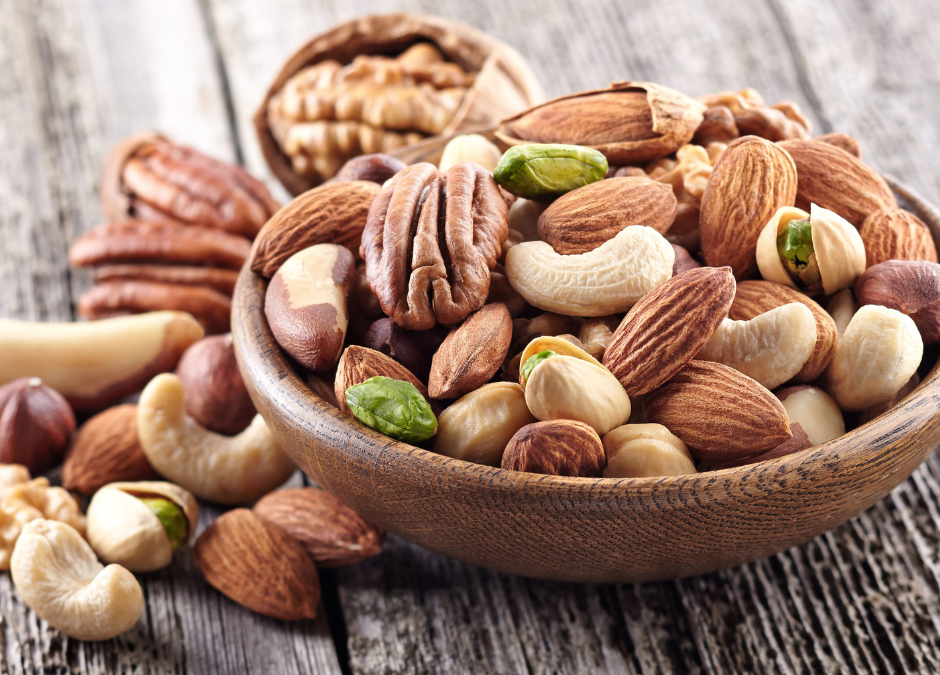
Nuts such as almonds, walnuts, and pistachios are some of the best natural sources of melatonin, and they also provide magnesium and heart-healthy fats. Whole-grain crackers with cheese combine fiber, protein, and tryptophan for a satisfying, calming effect. Cottage cheese with fruit or crackers offers slow-digesting casein protein, which helps stabilize blood sugar overnight. For a warm and soothing choice, milk remains a classic, providing melatonin, tryptophan, and calcium to relax muscles. Hummus with crisp vegetable sticks delivers both tryptophan and vitamin B6, which support your body’s natural melatonin production.
To make the most of your evening snack, pair complex carbohydrates with protein to support steady blood sugar and serotonin production. Keep portions light and avoid heavy, greasy, or sugar-laden foods close to bedtime.
Eating refined sugar, particularly in the afternoon or evening, can interfere with your ability to fall and stay asleep. Sugar can cause spikes in hormones like serotonin and melatonin, disrupting your natural sleep-wake rhythm. Having sweets too late in the day may make you feel more alert at bedtime, delay sleep onset, and lead to lighter, more restless sleep overall. If you’re craving something sweet, try to enjoy it earlier in the day, ideally before mid-afternoon. In the evening, opt for more sleep-friendly choices like fruit or snacks that won’t disrupt your body’s natural rhythm.
By choosing foods that promote relaxation and avoiding those that stimulate alertness, you can set the stage for a deeper, more restorative night’s rest.
Dr. Garrett’s Sleep Resources
- Dr. Garrett’s Step-by-Step Sleep Guide_ How to Go from 5 to 8 Hours of Sleep per Night
- Dr. Garrett’s Top Sleep Recommendations
Recommended Apps:
- Headspace: Mindfulness and sleep tools, including wind-down sessions
- Pzizz: Power naps, sleep tracks, and bedtime focus tools
References:
Al-Daghri, N. M., Al-Attas, O. S., Alokail, M. S., Alkharfy, K. M., Draz, H. M., Yakout, S. M., … & Chrousos, G. P. (2019). Relationship between added sugar intake and sleep quality among university students. Journal of Family & Community Medicine, 26(1), 35-41. https://doi.org/10.1177/155982761987047
Axe, J. (n.d.). The best foods to help you sleep. Draxe.com.
Gangwisch, J. E., Hale, L., Garcia, L., Malaspina, D., Opler, M. G., Posner, K., … & Zammit, G. K. (2020). High glycemic index diet as a risk factor for insomnia: Analyses from the Women’s Health Initiative. The American Journal of Clinical Nutrition, 111(2), 429-439. https://doi.org/10.1093/ajcn/nqz275
Guilleminault, C., & Pelayo, R. (2015). Foods, nutrients and sleep: An update.
National Sleep Foundation. (n.d.). Foods that help you sleep better.
Peuhkuri, K., Sihvola, N., & Korpela, R. (2012). Diet promotes sleep duration and quality. Nutrition Research, 32(5), 309–319.
St-Onge, M.-P., et al. (2016). Effects of diet on sleep quality. Advances in Nutrition, 7(5), 938–949.
Wang, S., Yang, J., & Zhang, Y. (2025). Association between dietary nutrient intake and sleep disorders in adults: Evidence from NHANES 2013–2018. Frontiers in Nutrition, 12, 1586530. https://doi.org/10.3389/fnut.2025.1586530