


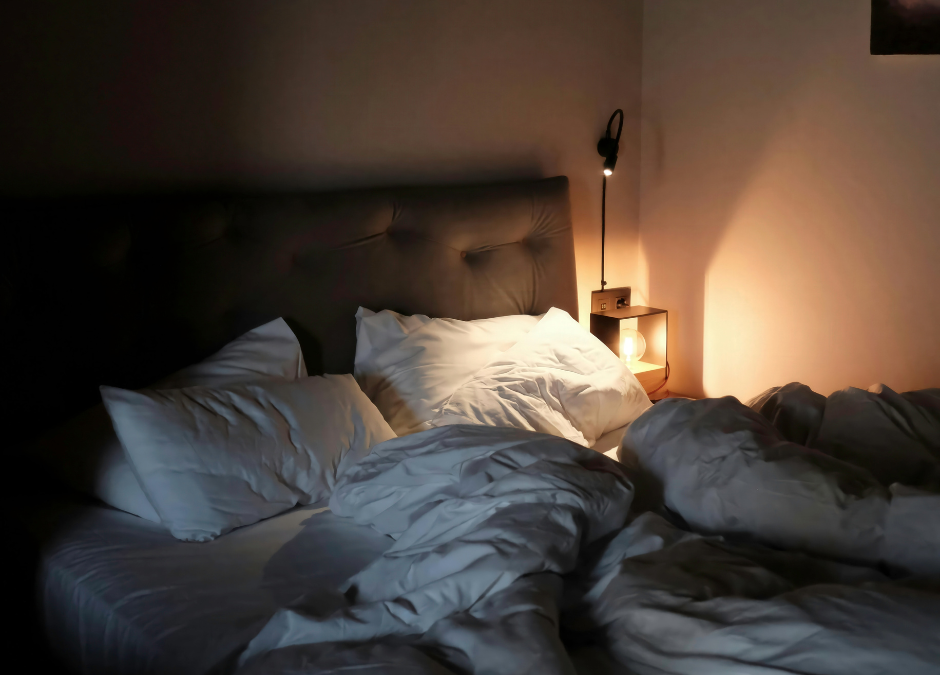
The bedroom environment plays a vital role in sleep quality. Temperature, lighting, and noise level all directly influence your ability to fall and stay asleep. The ideal room temperature for sleep is about 65 degrees Fahrenheit or 18 degrees Celsius. A cooler room helps signal to the brain that it is time to sleep and supports the natural production of melatonin, a hormone critical for sleep onset.
Lighting matters too. Exposure to artificial light at night, including nightlights and digital screens, can suppress melatonin and delay your internal clock. Using blackout curtains, covering small LEDs, and reducing ambient lighting in the hour before bed can make a significant difference. Noise also has a measurable effect on sleep continuity and depth. Consider using a white noise machine, earplugs, or other sound-dampening tools to reduce environmental interruptions. By curating your bedroom for rest, cool, dark, and quiet, you can transform it into a powerful tool for deeper and more restorative sleep.
Counselor Sarah says, “Sleep plays a vital role in our overall functioning. Looking at Abraham Maslow’s work from the 1940’s, he has suggested that sleep plays a major in our basic needs for survival as well as it needs to be satisfied prior to being able to maintain higher levels of needs such as esteem, love and belonging,etc.,. When life gets hectic and busy, go back to the basics. Get to bed early, utilize various resources that helps support sleep and give your body the rest it is asking for.”
Recommended Books:
- Kennedy, A. (2020). The sleep fix: Practical, proven, and surprising solutions for insomnia, snoring, shift work, and more. Harper Wave.
- Meadows, G. (2021). The 10-hour sleep diet: Reset your body clock and recharge your energy levels. Piatkus.
Recommended Blog/Website:
- CBT-i Coach App: Free app for CBT-I strategies (by VA and DoD)
For more sleep resources, check out these from our team:
References:
Healthline Editorial Team. (2024). Best temperature to sleep: Research and sleep tips. Healthline. https://www.healthline.com/health/sleep/best-temperature-to-sleep
Okamoto-Mizuno, K., & Mizuno, K. (2012). Effects of thermal environment on sleep and circadian rhythm. Journal of Physiological Anthropology, 31(1), 14. https://doi.org/10.1186/1880-6805-31-14
Raymann, R. J. E. M., Swaab, D. F., & Van Someren, E. J. W. (2008). Skin deep: Enhanced sleep depth by cutaneous temperature manipulation. Brain, 131(2), 500-513. https://doi.org/10.1093/brain/awm325